The temperature drops. What happens next?
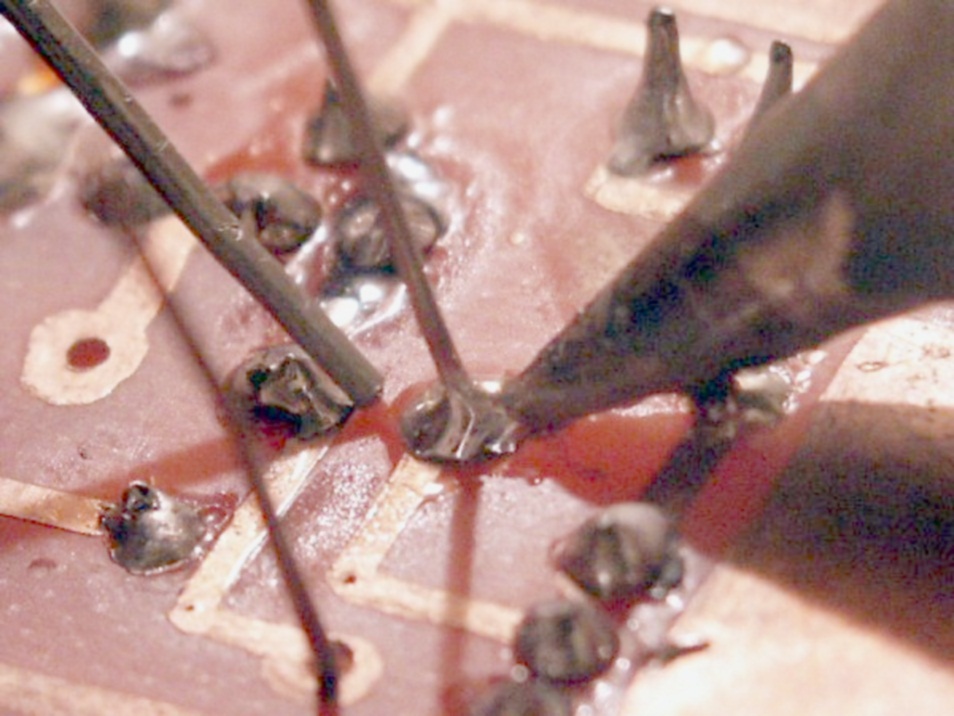
A useful soldering iron comparison starts when the tip touches a joint. Recovery, contact area and thermal capacity matter more than the wattage on the box.
THE REFERENCE LIBRARY
Tool choices, practical trade-offs and the evidence behind them. For the jobs that happen on your workbench.
A useful soldering iron comparison starts when the tip touches a joint. Recovery, contact area and thermal capacity matter more than the wattage on the box.
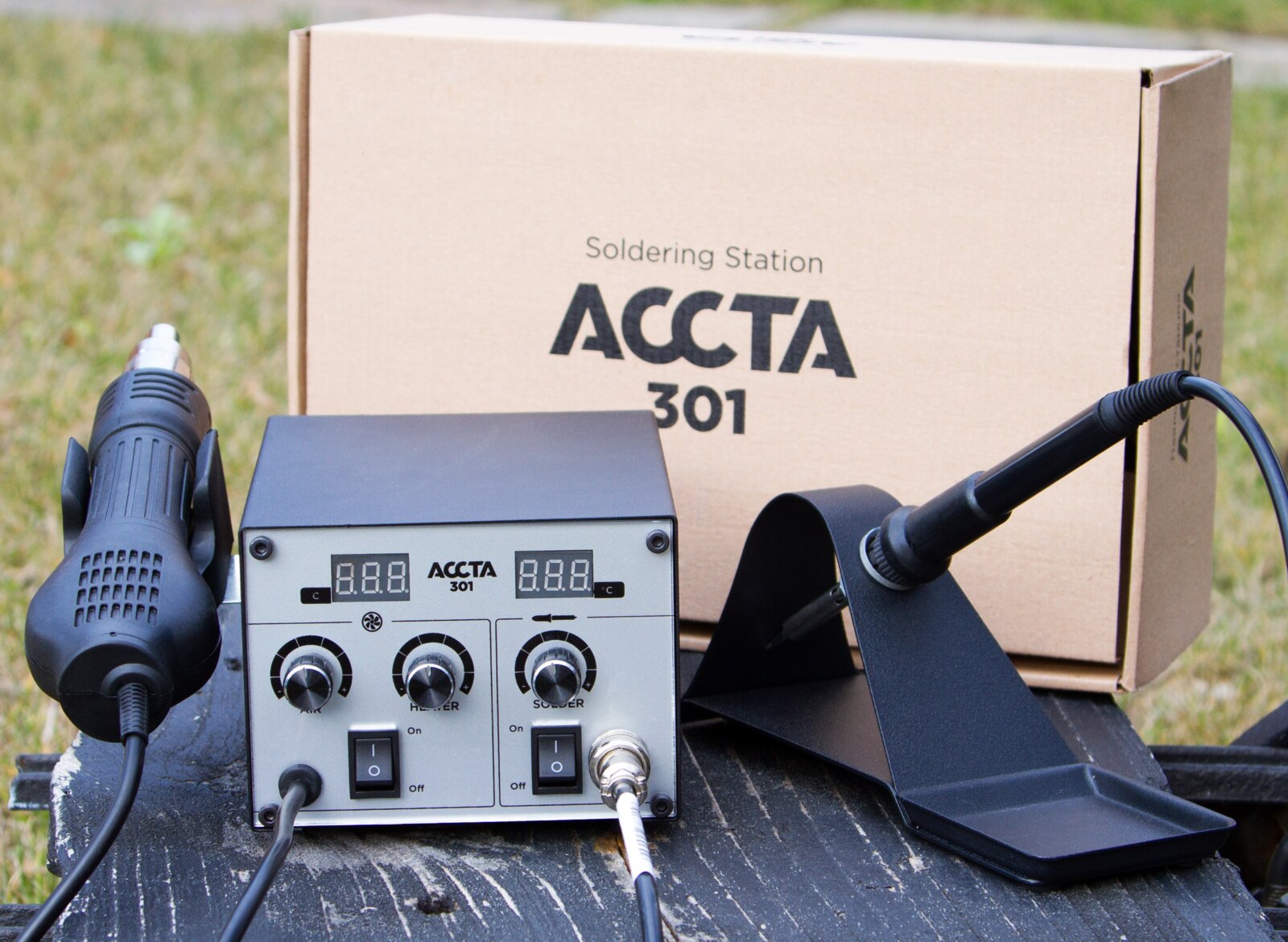
Nozzle, distance, angle and surrounding copper change the heat delivered to a board. A station temperature is only one part of a repeatable rework setup.
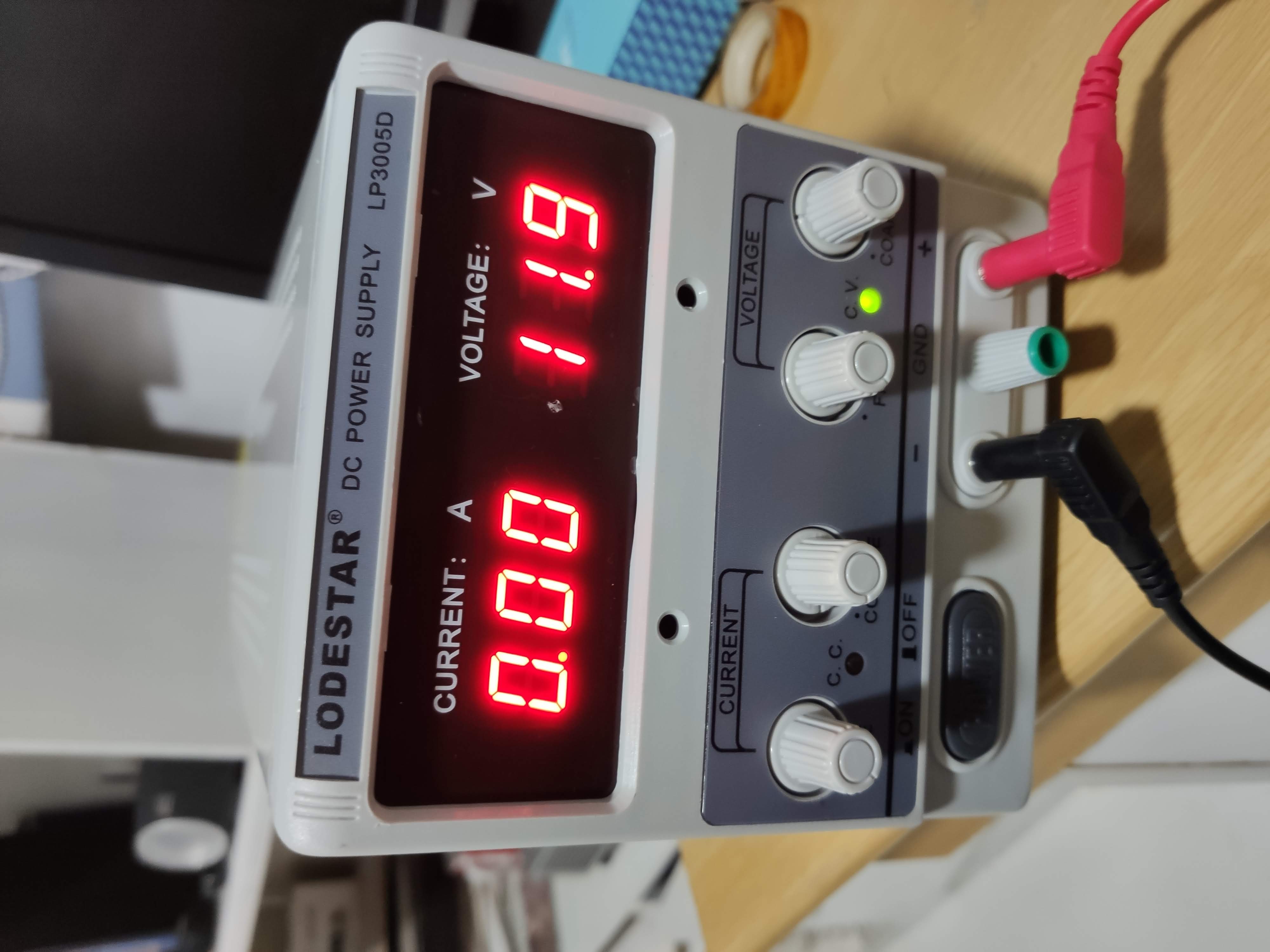
Output enable, mains startup and shutdown can behave differently. A steady voltage reading cannot reveal a brief transient at the moment a board is connected.
Separate mechanical fit, electrical wiring and control compatibility before buying a replacement tip or handle. Similar model names are weak evidence.
A useful budget starts with the work, then reserves money for tips, leads, fixtures and consumables. The three largest boxes are only part of a working bench.
Fine rework depends on stability, nearby parts and a controlled sequence. Seeing the joint and heating it correctly are separate problems.
Understand the transition from voltage regulation to current regulation, then check what happens during startup, a short and a changing load.
A useful repair diary records the connection, supply mode and sequence of events. A single current value cannot diagnose a board by itself.
An iron, hot-air station and current-limited supply complement each other. Choosing the right combination means knowing where each tool stops being useful.
A useful thermal test says where the probe was, what the board was doing and which variables stayed fixed. A colourful curve needs those conditions beside it.